A Route 66 road trip takes you roughly 2,400 miles from Lake Michigan to the Pacific, through eight states, small towns, neon motels and long empty stretches of desert. U.S. Route 66 was commissioned in 1926, dropped from the federal highway system in 1985, and yet it is still the drive most people picture when they think of an American road trip.
This guide covers why the Mother Road deserves its reputation, a realistic day-by-day itinerary, how much time to set aside, what to budget for and when to go. It is written for 2026, the year Route 66 turns 100, so expect more events and busier motels than usual along the way.
Why a Route 66 road trip is America’s most iconic drive
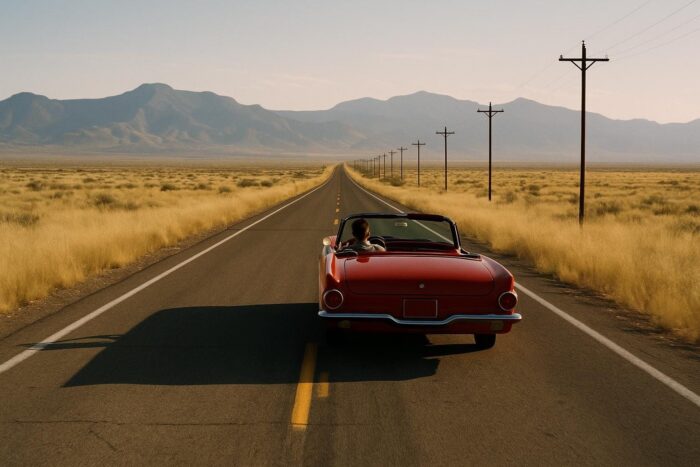
Plenty of American roads are more dramatic. The Pacific Coast Highway has the cliffs, the Blue Ridge Parkway has the forests. What Route 66 offers is a cross-section of the country. In two weeks you leave a big city skyline, cross Midwest farmland and the Ozarks, drive through Oklahoma and the Texas Panhandle, climb into New Mexico and Arizona, and finish in the Mojave Desert and Los Angeles.
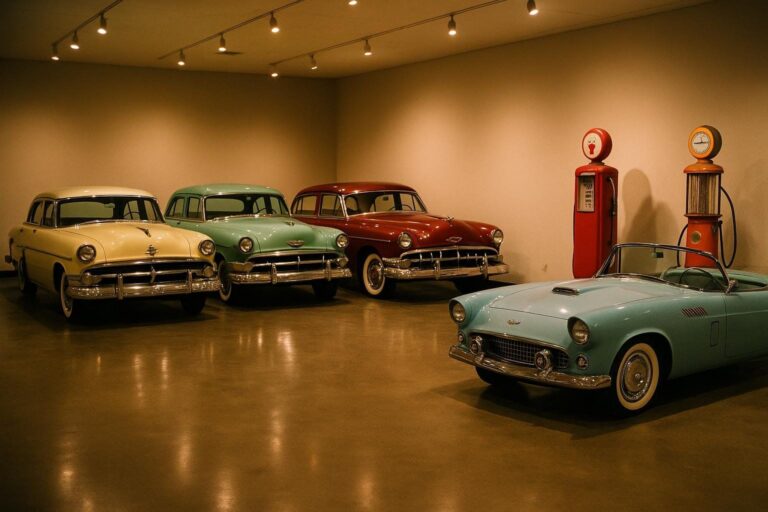
The road also carries a story. John Steinbeck called it “the mother road” in The Grapes of Wrath, and the highway later became the route of postwar family vacations, lined with diners, gas stations and motor courts built to catch drivers. When the interstates arrived, many towns were bypassed. What survived is now preserved, restored or simply left standing, and that is the real attraction: a moving museum of 20th-century America that you can drive at your own pace.
If you are still choosing between routes, compare it with the best scenic road trips in the USA before you commit. Route 66 wins on history and roadside culture; other drives win on pure scenery.
The route at a glance
US Route 66 ran from downtown Chicago to Santa Monica. State totals differ from one source to the next, because the road was realigned many times, so the table sticks to the classic stops in each state.
| State | Classic stops |
|---|---|
| Illinois | Chicago, Wilmington (Gemini Giant), Springfield, Litchfield |
| Missouri | St. Louis, Chain of Rocks Bridge, Meramec Caverns, Joplin |
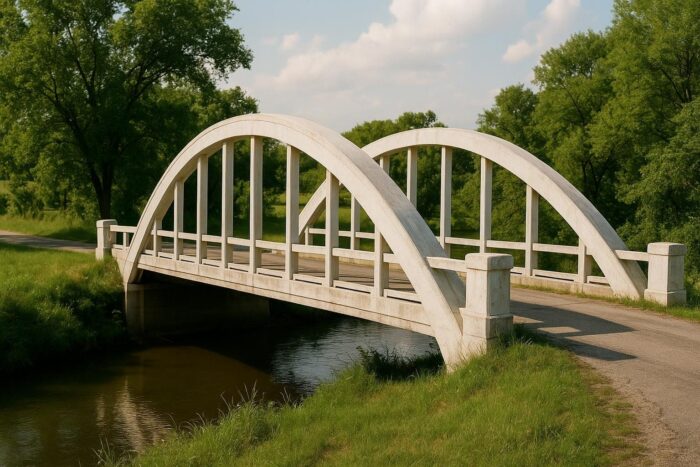
| Kansas | Galena, Rainbow Bridge near Riverton, Baxter Springs |
| Oklahoma | Catoosa (Blue Whale), Tulsa, Stroud, Arcadia, Oklahoma City |
| Texas | Amarillo (Cadillac Ranch), Adrian (MidPoint Cafe) |
| New Mexico | Tucumcari, Santa Rosa, Albuquerque, Gallup |
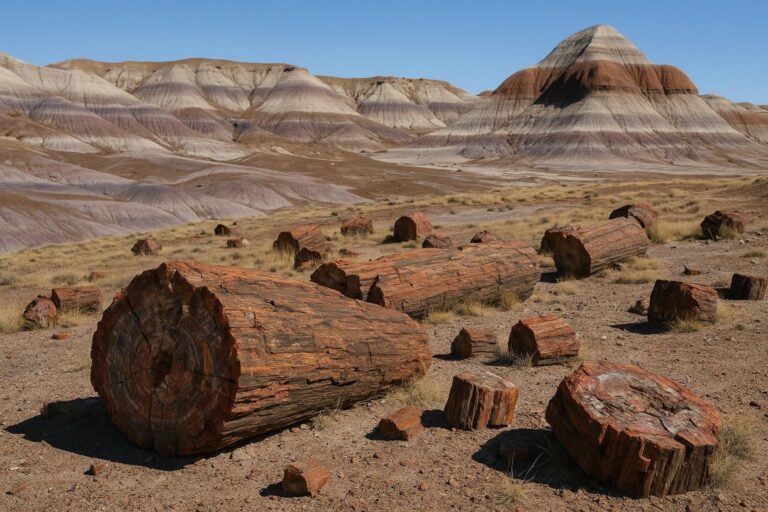
| Arizona | Petrified Forest, Holbrook, Winslow, Flagstaff, Williams, Seligman, Kingman, Oatman |
| California | Needles, Amboy, Barstow, Victorville, Pasadena, Santa Monica |
Kansas gets only about 13 miles, because the road only clips the southeastern corner of the state. It is still worth slowing down for, because the Rainbow Bridge over Brush Creek is the last surviving Marsh arch bridge on the whole route.
A sample 14-day Route 66 itinerary
Two weeks is the pace most travelers settle on for the full drive. The plan below heads west, the traditional direction, and ends at the Pacific. Each night is in a town with a good choice of places to stay.
- Day 1, Chicago to Springfield, Illinois. Start at the Begin Route 66 sign on Adams Street, then stop at the Gemini Giant in Wilmington.
- Day 2, Springfield to St. Louis. Walk the old Chain of Rocks Bridge, now open to pedestrians and cyclists, and finish with frozen custard at Ted Drewes.
- Day 3, St. Louis to Springfield, Missouri. Meramec Caverns near Stanton makes a good midday break.
- Day 4, Springfield to Tulsa. Cross the short Kansas section and stop at the Blue Whale of Catoosa.
- Day 5, Tulsa to Oklahoma City. The old road through Stroud and Arcadia is one of the nicest two-lane sections in the state.
- Day 6, Oklahoma City to Amarillo. Enter the Texas Panhandle and end the day at Cadillac Ranch.
- Day 7, Amarillo to Tucumcari. Pie at the MidPoint Cafe in Adrian, then neon signs in Tucumcari after dark.
- Day 8, Tucumcari to Albuquerque. Pass through Santa Rosa and leave time to explore Central Avenue.
- Day 9, Albuquerque to Gallup. A long, open stretch of high desert.
- Day 10, Gallup to Holbrook. Drive through Petrified Forest National Park, the only national park that preserves a section of the old road.
- Day 11, Holbrook to Williams or Flagstaff. Stand on the corner in Winslow, then climb toward the pines.
- Day 12, Williams to Kingman. Seligman and Hackberry sit on the longest continuous stretch of old Route 66.
- Day 13, Kingman to Barstow. Take the winding road over Sitgreaves Pass to Oatman, then cross the Colorado River into the Mojave.
- Day 14, Barstow to Santa Monica. Elmer’s Bottle Tree Ranch, the Cajon Pass and Los Angeles, then the End of the Trail sign on Santa Monica Pier.
Many travelers add a side trip to the Grand Canyon from Williams or Flagstaff. If you do, plan at least one extra day.
How long does the drive take?
Pure driving time for the whole route is roughly 40 hours on a mix of old two-lane road and interstate. Nobody enjoys it that way. A pace of 150 to 250 miles a day leaves room for photo stops, museums and long lunches, which puts the full trip at 10 to 16 days.
- 10 days: doable, but you will skip side roads and spend more time on the interstate.
- 14 days: the comfortable standard, as in the itinerary above.
- 3 weeks: time for the Grand Canyon, Santa Fe and slower days in the towns you like.
Short on time? Drive one section instead. Arizona from Holbrook to Kingman or Oklahoma from Tulsa to Oklahoma City both work well as a long weekend.
Route 66 road trip budget: what to plan for
Costs depend heavily on your car, your lodging style and the season, so treat this as a checklist rather than a price list.
- Car rental and drop fee. Picking up in Chicago and returning in Los Angeles usually means a one-way fee on top of the daily rate. Compare several agencies and check it in the total price.
- Fuel. Divide about 2,400 miles by your car’s mileage, then multiply by the local gas price. A car doing 25 mpg burns around 96 gallons for the full route, before detours.
- Lodging. Thirteen or more nights. Classic motels are often cheaper than chain hotels in cities, but popular ones book up early in 2026.
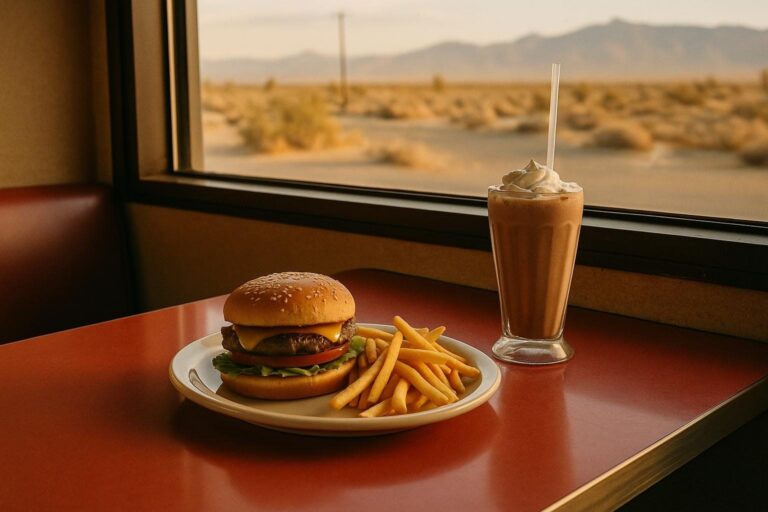
- Food. Diners and cafés along the road keep this line reasonable if you avoid big-city restaurants every night.
- Entry fees. Most roadside attractions are free, but caverns, museums and national parks charge admission.
Best time to drive Route 66
Late spring (May and early June) and early fall (September and October) are the sweet spots. Summer brings extreme heat in the Mojave and western Arizona, and long days behind the wheel in that heat are tiring. Winter can bring snow and ice around Flagstaff, which sits close to 7,000 feet, and some seasonal businesses such as the MidPoint Cafe and the Snow Cap Drive-In in Seligman close for part of the off-season.
The centennial adds another factor. Official celebrations started on April 30, 2026, a hundred years after the road got its number, and towns from Illinois to California have scheduled festivals, car shows and fun runs through the year. Great for atmosphere, less great if you arrive without a reservation.
Practical tips for driving the Mother Road
- Follow the brown “Historic Route 66” signs, but carry a dedicated guidebook or a map: several alignments exist, and some segments are dead ends or gravel.
- Fill up before remote sections in New Mexico, Arizona and the Mojave. Services can be far apart.
- Check the opening hours of diners and museums before you go. Many are family-run, seasonal or closed one or two days a week.
- Keep water in the car in the desert, and avoid driving the Oatman road after dark.
- Leave one free half-day every few days. Route 66 rewards unplanned stops.
Route 66 road trip FAQ
Where does a Route 66 road trip start?
In downtown Chicago. The best-known Begin sign stands on Adams Street near Michigan Avenue, and in March 2026 the city also dedicated Navy Pier as a symbolic starting point, linked to the Santa Monica Pier at the other end.
Can you still drive the whole of Route 66?
Yes, most of it. Large parts survive as local roads and state highways, and where the old road has disappeared you rejoin the interstate (I-55, I-44, I-40 and, in California, I-15) for a while.
Should you drive Route 66 east to west or west to east?
Either works. Westbound is the classic direction and ends with the Pacific, while eastbound lets you finish in Chicago. Check one-way rental fees for both options.
Is Route 66 worth it in 2026?
It is a good year to go thanks to the centennial events and freshly restored landmarks. Just book lodging earlier than you normally would.